

Introduction: Why Durability Matters in Modern Flooring
In industrial and commercial environments, the floor isn’t just a surface — it’s part of the safety system. Heavy-duty interlocking rubber flooring provides resilience against impact, wear, and spills, making it ideal for spaces like gyms, garages, and factories.
From fitness centers managing daily foot traffic to workshops housing heavy machinery, durability determines the difference between short-term fixes and lasting value. Rubber and PVC interlocking floor tiles are increasingly chosen for their balance of strength, flexibility, and ease of maintenance.
If you’re exploring premium-grade options, check out interlocking rubber tiles for long-lasting performance and clean installation.
The Rise of Interlocking Rubber Floor Tiles in Industrial and Commercial Settings
Over the past decade, industries have moved away from traditional concrete and epoxy coatings toward rubber interlocking tiles. Their modular design allows for quick installation, easy replacement, and superior shock absorption — crucial for reducing worker fatigue and equipment damage.
Unlike brittle flooring solutions, interlocking rubber floor tiles handle dynamic loads and vibration with ease. This adaptability has made them the go-to choice across multiple industries, from auto workshops to fitness studios.
Understanding Heavy-Duty Interlocking Rubber Flooring
What Makes Interlocking Rubber Floor Tiles “Heavy-Duty”
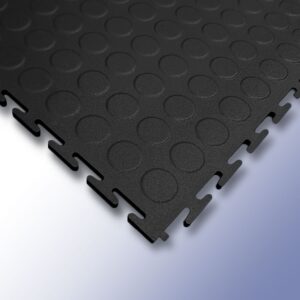
The “heavy-duty” label isn’t marketing fluff — it refers to a specific density and composition that withstands constant stress. Typically made from high-grade rubber compounds, these tiles are designed to resist punctures, abrasions, and deformation under heavy machinery.
Many options, such as those from Cape Lock Tiles, feature interlocking edges that create a seamless, stable surface. This setup eliminates weak points while providing flexibility for future adjustments.
Key Features: Shock Absorption, Slip Resistance, and Load-Bearing Capacity
Rubber’s natural elasticity delivers excellent shock absorption, protecting both equipment and flooring structure. The textured surface ensures slip resistance even in oily or wet environments — a must-have in garages and factories.
These industrial rubber floor tiles are also load-bearing, supporting vehicles and gym weights without cracking or warping.
Comparing Flooring Options: Rubber vs PVC Interlocking Tiles
Strength and Flexibility Differences
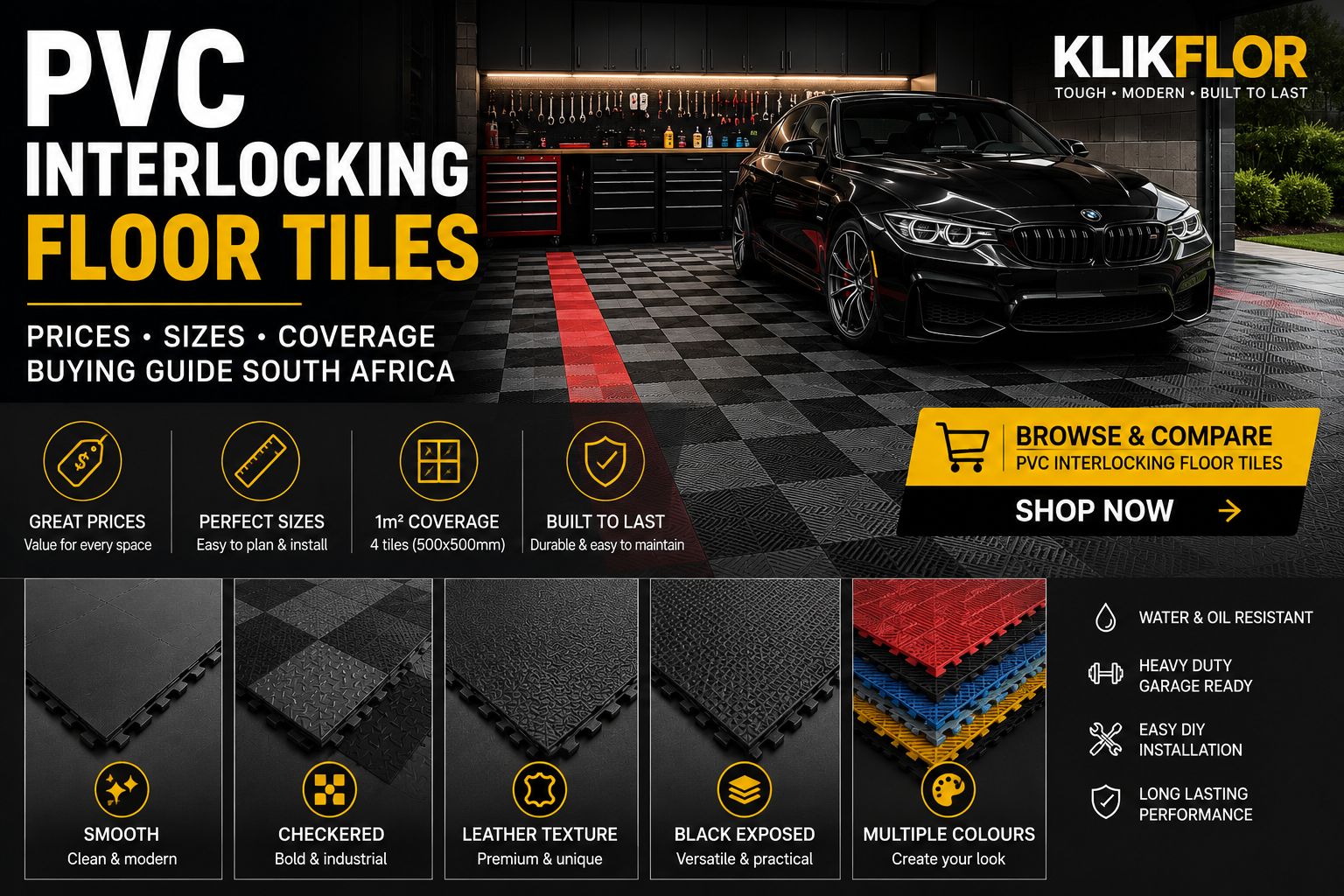
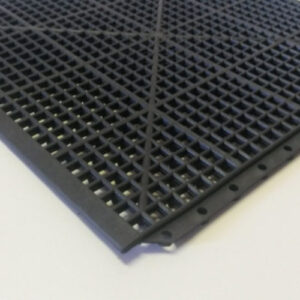
While rubber interlocking tiles provide unmatched impact resistance, PVC interlocking tiles offer additional flexibility and chemical resistance. PVC tiles are often favored in automotive and workshop settings where oil and solvents are common.
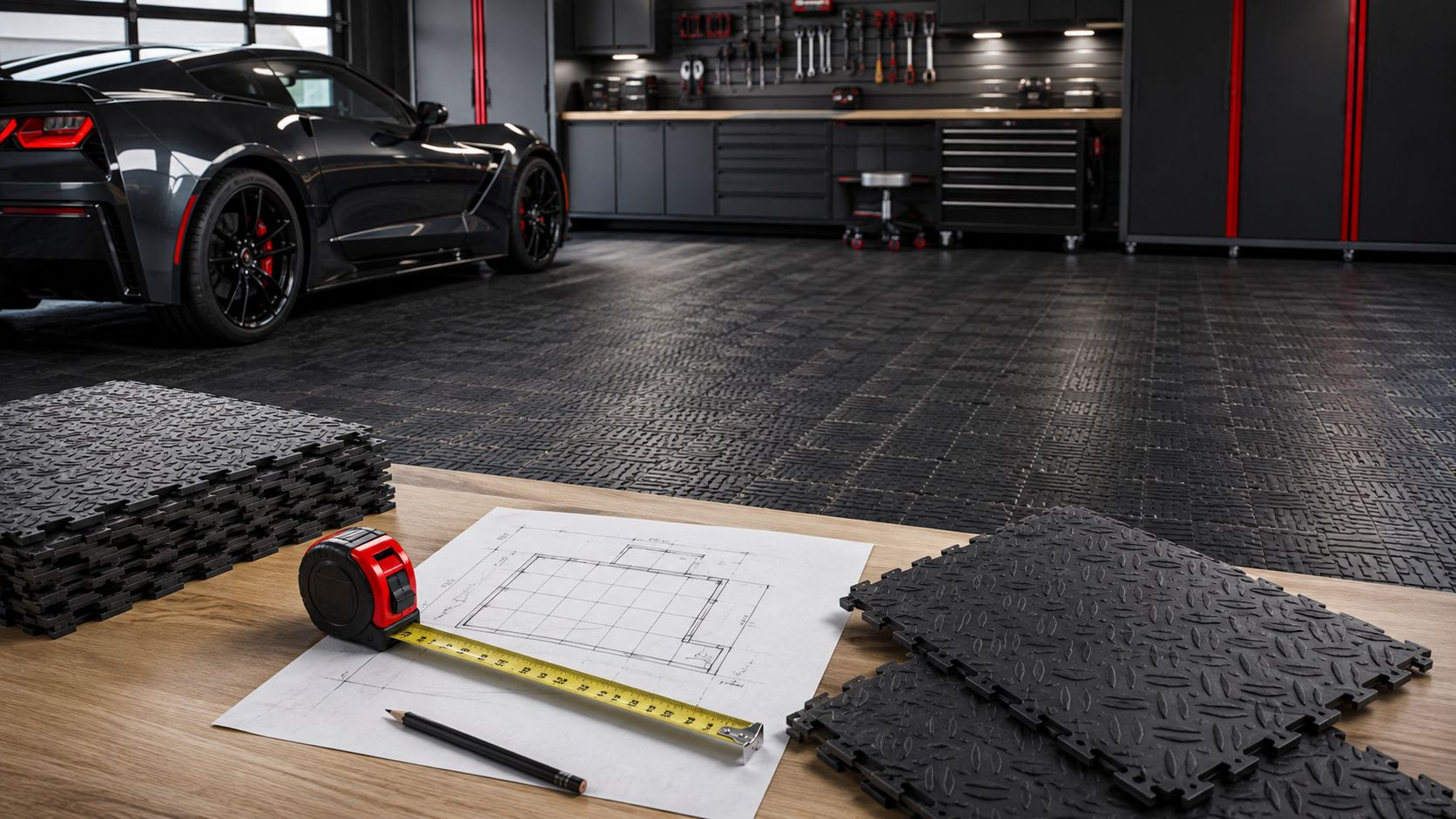
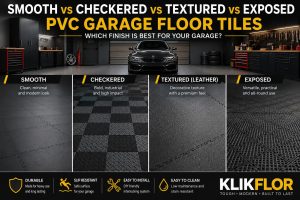
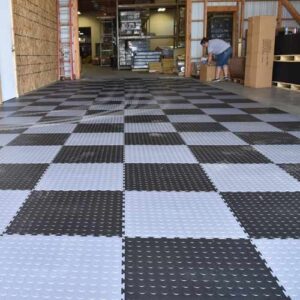
For example, PVC garage floor tiles combine industrial toughness with visual appeal, making them ideal for both private and commercial garages.
When to Choose PVC Interlocking Rubber Mats Over Pure Rubber Tiles
PVC interlocking mats shine where easy maintenance and fluid resistance are top priorities. Pure rubber, meanwhile, excels in high-impact zones such as weightlifting platforms or machinery areas.
Both can be integrated depending on your workspace layout — Cape Lock Tiles offers combinations that match function with design.
Top Use Cases for Industrial Rubber Floor Tiles
Gym Flooring: Impact Resistance and Safety
In gyms, flooring must absorb shock from dropped weights, reduce noise, and prevent slips. Heavy-duty rubber flooring does all three — while maintaining a professional, clean aesthetic.
Garage Flooring: Oil-Resistant and Low-Maintenance
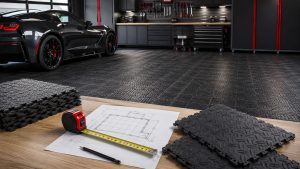
Garages experience chemical spills, tire friction, and temperature changes. Interlocking rubber floor tiles resist oil and grease while maintaining traction. Their easy-to-clean surface saves time for both home users and commercial mechanics.
Factory and Workshop Flooring: Noise Reduction and Worker Comfort
Rubber’s acoustic properties help dampen machine noise. Meanwhile, its cushioning reduces fatigue from long hours on foot — small details that add up to big improvements in workplace safety and morale.
Design and Installation Benefits of Interlocking Rubber Flooring
Easy Installation: No Adhesive, No Fuss
The interlocking design means tiles can be laid directly over most surfaces — no glue, no specialized tools. This allows quick renovations with minimal downtime.
Need help calculating your layout? Use Cape Lock Tiles’ Quick Quote Tool to estimate your space and cost in minutes.
Customizable Aesthetics for Workspaces and Gyms
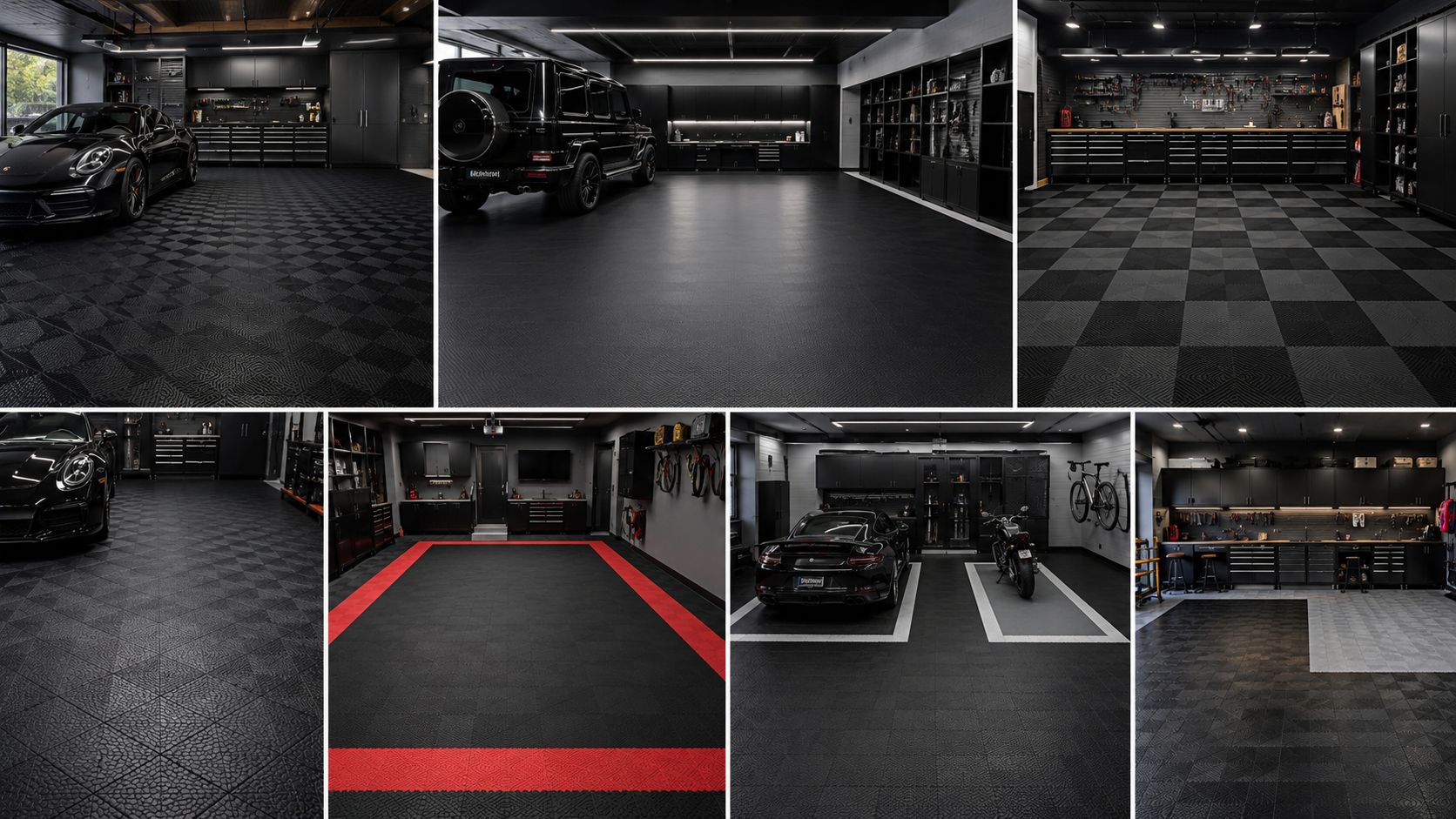
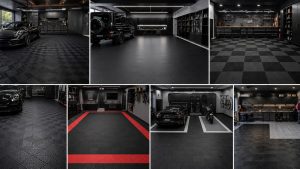
Beyond function, these tiles come in multiple patterns and finishes — from textured black rubber to sleek grey PVC. They help define zones in shared spaces, adding both safety and style.
Maintenance and Longevity: Getting the Most from Your Investment
Cleaning Tips and Preventive Care
Rubber flooring thrives with simple maintenance — sweeping and occasional mopping with mild detergent. Avoid harsh chemicals that can degrade the surface.
Long-Term Cost Savings with Heavy-Duty Rubber Flooring
While the upfront investment may seem higher than paint or epoxy, heavy-duty interlocking rubber flooring lasts years longer with minimal upkeep. Over time, that durability translates into measurable savings.
Environmental and Safety Considerations
Eco-Friendly Materials and Recycling Benefits
Many interlocking rubber tiles are made from recycled rubber, reducing environmental impact. They’re also fully recyclable at end-of-life — a responsible choice for sustainable operations.
Safety Compliance in Industrial Environments
These tiles meet or exceed industry safety standards for slip resistance and fire retardancy, ensuring compliance without sacrificing performance.
Choosing the Right Supplier for Interlocking Rubber Floor Tiles
What to Look for in Quality and Warranty
A reliable supplier offers transparent specifications, density ratings, and product guarantees. Check for proven industrial use cases and test certifications.
Why Local Matters: Rubber Tiles in Cape Town
Sourcing locally, such as through Cape Lock Tiles, ensures faster delivery, better support, and an understanding of local climate needs — key for longevity and customer satisfaction.
Frequently Asked Questions (FAQs)
1. Are interlocking rubber floor tiles suitable for outdoor use?
Yes, many heavy-duty options are UV- and water-resistant; however, they are best suited for covered or semi-outdoor areas.
2. Can I install rubber flooring over concrete?
Absolutely. The interlocking system works perfectly on clean, dry concrete surfaces.
3. How thick should industrial rubber floor tiles be?
For gyms and garages, 5–10mm is standard. Heavier-duty applications may require thicker tiles.
4. Are PVC interlocking tiles better for garages?
PVC tiles offer excellent oil resistance and are ideal for automotive spaces.
5. How do I get a quote for my workspace flooring?
Use the Quick Quote feature to calculate your flooring needs instantly.
6. Do these tiles reduce noise?
Yes — rubber naturally absorbs vibration and sound, improving acoustics in busy spaces.
Conclusion: Built for Strength, Designed for Longevity
When it comes to performance, heavy-duty interlocking rubber flooring delivers unmatched durability and value. Whether in a high-traffic gym, a workshop full of machinery, or a busy commercial garage, these tiles stand the test of time — protecting your people, your equipment, and your investment.