


Why Flooring Matters for Garages and Gyms
Your choice of flooring can make or break the functionality and comfort of a gym or garage. Whether you’re lifting weights, parking heavy vehicles, or simply looking for a clean, durable surface, the battle often comes down to rubber flooring vs PVC flooring South Africa. Both materials offer excellent resilience and practicality—but in very different ways.
Understanding Rubber Flooring
What is Rubber Flooring?
Rubber flooring is made from natural or synthetic rubber, designed to absorb impact and provide traction. It’s widely used in gyms, fitness centers, and workshops where durability and safety are top priorities.
Common Types of Rubber Flooring Tiles
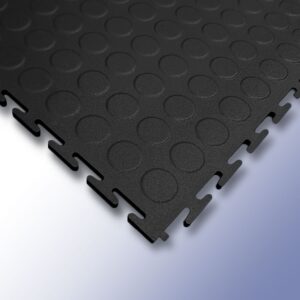
Rubber floors typically come as mats, rolls, or rubber flooring tiles. Interlocking rubber tiles are especially popular because they’re easy to install and replace individually if damaged.
You can explore rubber tiles flooring options here.
Key Advantages of Rubber Flooring
-
Exceptional shock absorption
-
Excellent noise reduction
-
Slip resistance even when wet
-
Long lifespan with minimal wear
-
Ideal for weightlifting and high-impact training
Potential Drawbacks of Rubber Flooring
Rubber can be heavier and slightly more expensive upfront. Some types have a mild rubber odor, especially when new, though this fades with time.
Understanding PVC Flooring
What is PVC Flooring?
PVC (polyvinyl chloride) flooring is a synthetic plastic-based material known for its flexibility, chemical resistance, and clean finish. It’s commonly used in garages, workshops, and commercial areas.
What Makes PVC Interlocking Floor Tiles Popular?
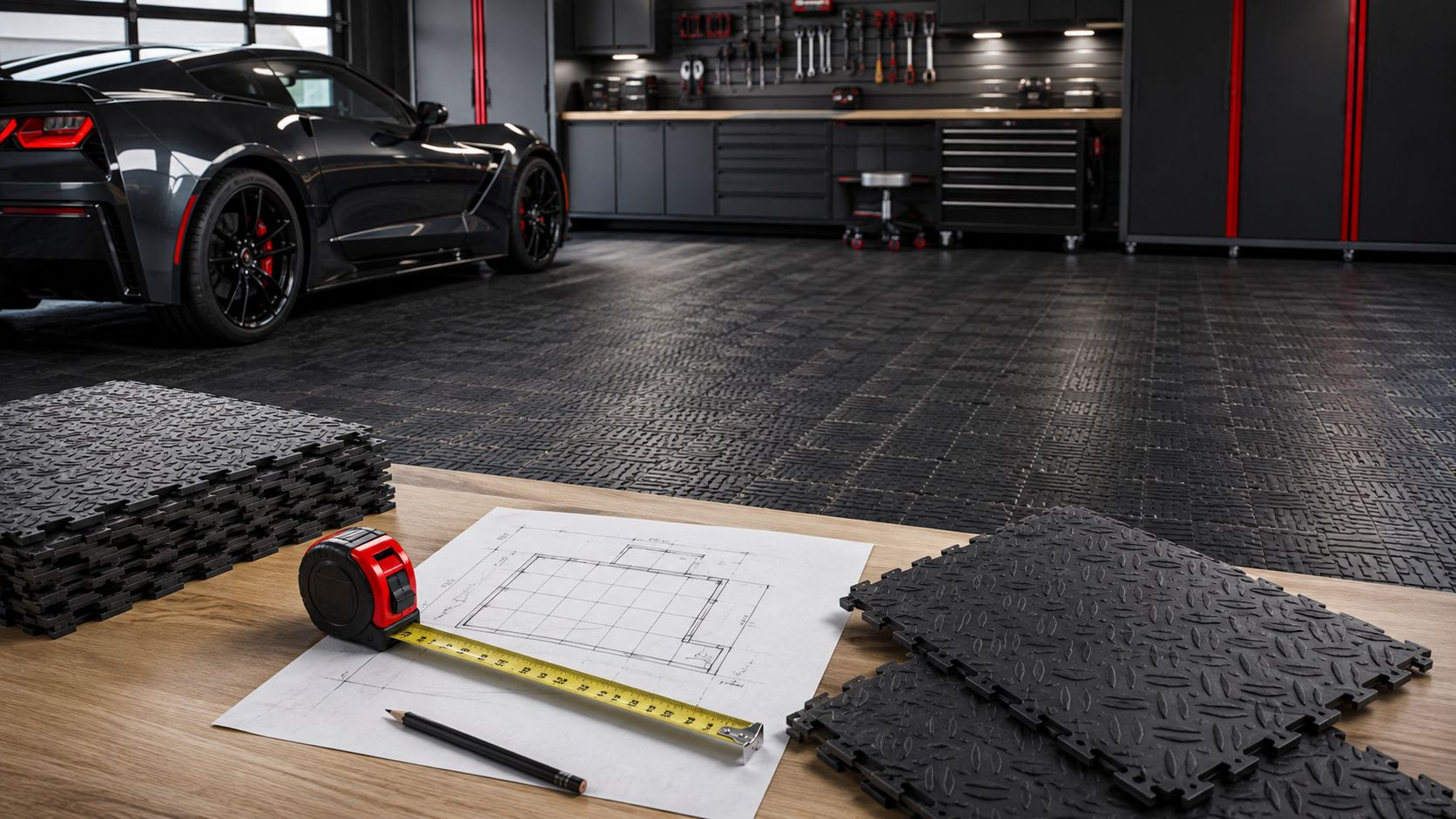
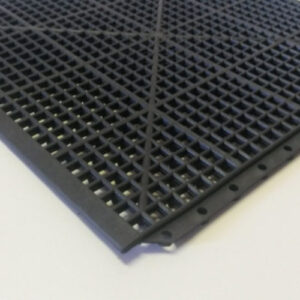
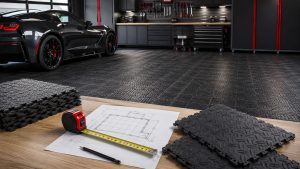
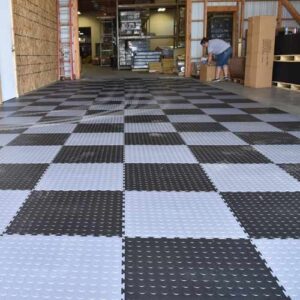
PVC interlocking floor tiles click together seamlessly, making installation fast and mess-free. They create a sturdy, uniform surface that can handle vehicles, heavy machinery, or gym equipment.
You can check premium interlocking options here.
Benefits of PVC Flooring in South Africa
-
Resistant to oils, grease, and chemicals
-
Easy to clean with minimal maintenance
-
Water-resistant and non-porous
-
Stylish finishes suitable for both home gyms and commercial garages
-
Quick installation with interlocking systems
Drawbacks of PVC Flooring
PVC flooring is less shock-absorbent than rubber and may show scuffs over time in high-impact gym zones. It’s also slightly less insulating in colder climates.
Rubber vs PVC Flooring: Detailed Comparison
Durability and Resistance
Rubber flooring outshines PVC in shock absorption and elasticity, making it ideal for fitness areas. PVC, however, excels in resistance to chemicals, oil, and moisture—perfect for garages.
Installation and Maintenance
Both materials are user-friendly, but PVC interlocking floor tiles are generally easier to install without adhesives. Maintenance is minimal for both; sweeping and occasional mopping suffice.
For professional fitting, see the installation service page.
Cost and Longevity
PVC flooring tends to be slightly cheaper per square meter. Rubber flooring, though pricier, offers longer life under intense use—especially in gyms with heavy weights.
Appearance and Design Options
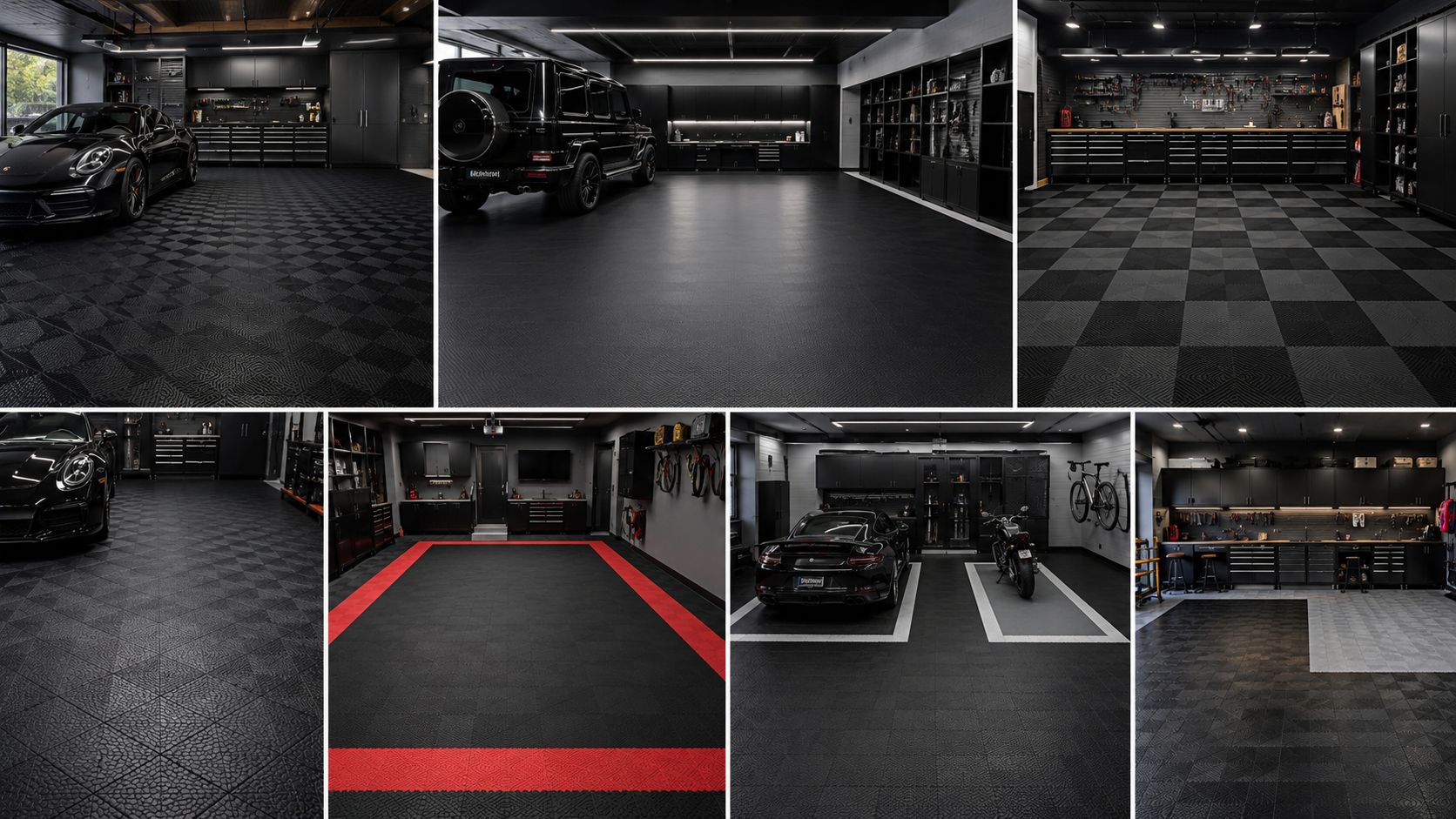
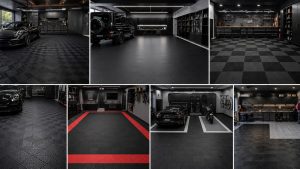
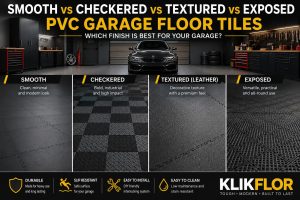
PVC tiles come in sleek patterns and colors suited for modern garages. Rubber, with its matte finish, provides a rugged aesthetic that fits gyms or workshops.
Choosing Between Rubber and PVC for Gyms
If you prioritize comfort, cushioning, and noise reduction, rubber flooring tiles are your go-to. They handle dropped weights, absorb sound, and minimize fatigue during workouts.
PVC can still work in gyms but shines more in low-impact spaces or cardio zones.
Choosing Between Rubber and PVC for Garages
For garages, PVC flooring South Africa takes the lead. It resists oils, car fluids, and tire marks—issues that can degrade rubber over time. Interlocking PVC tiles are especially useful for DIY installations or rented spaces where you might need to remove flooring later.
Real-World Applications and Local Availability
Where to Find Rubber Flooring Tiles in South Africa
High-quality rubber tiles flooring is widely available through specialized suppliers. One trusted source is CapeLock Tiles, offering durable options ideal for commercial or personal gyms.
PVC Interlocking Floor Tiles and Garage Solutions
CapeLock also provides PVC interlocking tiles for garages and workspaces. Explore their interlocking flooring collection for both functional and aesthetic options.
Installation and Aftercare Tips
-
Always start with a clean, level subfloor.
-
Leave tiles to acclimate to room temperature for 24 hours before installation.
-
Use edging strips for a clean, finished look.
-
Avoid harsh solvents when cleaning; mild detergent works best.
Need professional help or a free quotation? Visit CapeLock Tiles Quick Quote.
Frequently Asked Questions (FAQs)
1. Which is more durable: rubber or PVC flooring?
Rubber is better for high-impact areas, while PVC offers superior resistance to chemicals and moisture.
2. Can I install these floors myself?
Yes, both come in interlocking tiles suitable for DIY projects.
3. Is PVC flooring safe for heavy vehicles?
Yes. Quality PVC tiles are engineered to withstand the weight and movement of vehicles.
4. Does rubber flooring smell?
A slight odor may occur initially but dissipates within days.
5. Can PVC flooring be used in home gyms?
Yes, though rubber is better for heavy lifting zones.
6. How do I clean rubber or PVC floors?
Use mild detergent and warm water—avoid bleach or abrasive tools.
Conclusion: Making the Right Flooring Investment
In the rubber vs PVC flooring debate, the winner depends on your needs. For shock absorption and grip, rubber is unbeatable. For chemical resistance and garage strength, PVC takes the crown.
If possible, mix both—rubber for gym zones, PVC for garages. Each material has a role, and when chosen wisely, both can serve you for years.