

Introduction to PVC Interlocking Floor Tiles
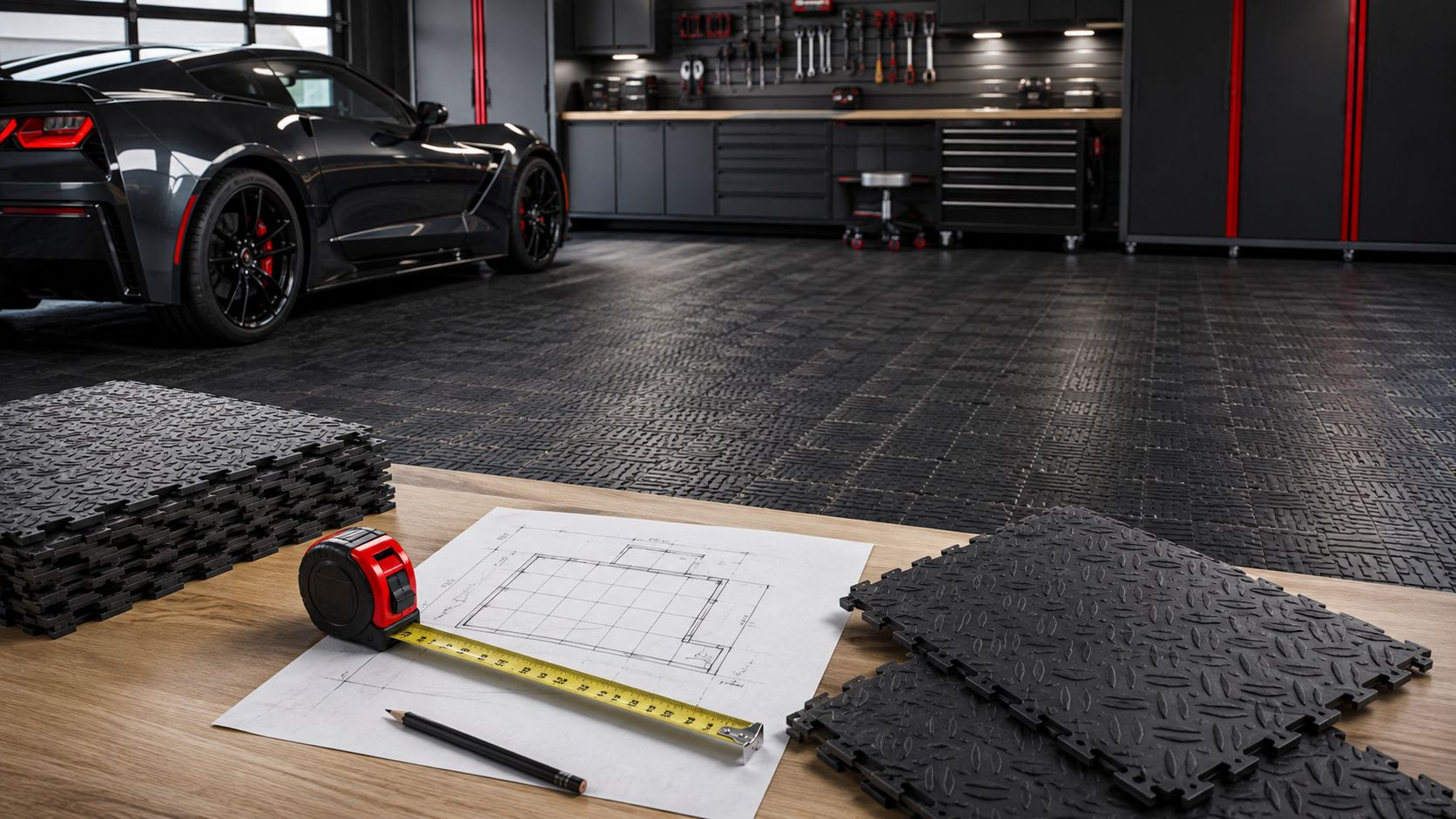
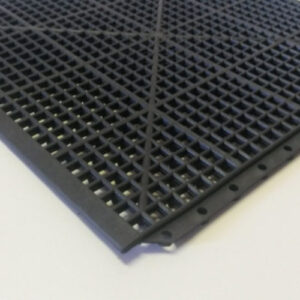
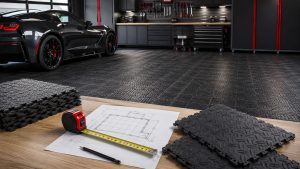
PVC interlocking floor tiles have gained massive popularity in both residential and commercial spaces due to their practicality, affordability, and durability. Unlike traditional flooring options, these tiles are designed to lock together seamlessly, eliminating the need for adhesives or complex installation methods. Whether you need flooring for a garage, gym, or industrial space, PVC interlocking tiles offer a reliable solution.
Key Features of PVC Interlocking Floor Tiles
Durability and Strength
PVC tiles are built to withstand heavy loads, making them suitable for industrial and garage use. They resist wear and tear even in high-traffic areas.
Water and Chemical Resistance
One of the standout features is their resistance to water, oil, and most household or industrial chemicals, making them ideal for wet environments.
Noise and Impact Absorption
These tiles provide excellent cushioning, reducing noise from footsteps or dropped items—perfect for gyms or workshops.
Design Versatility
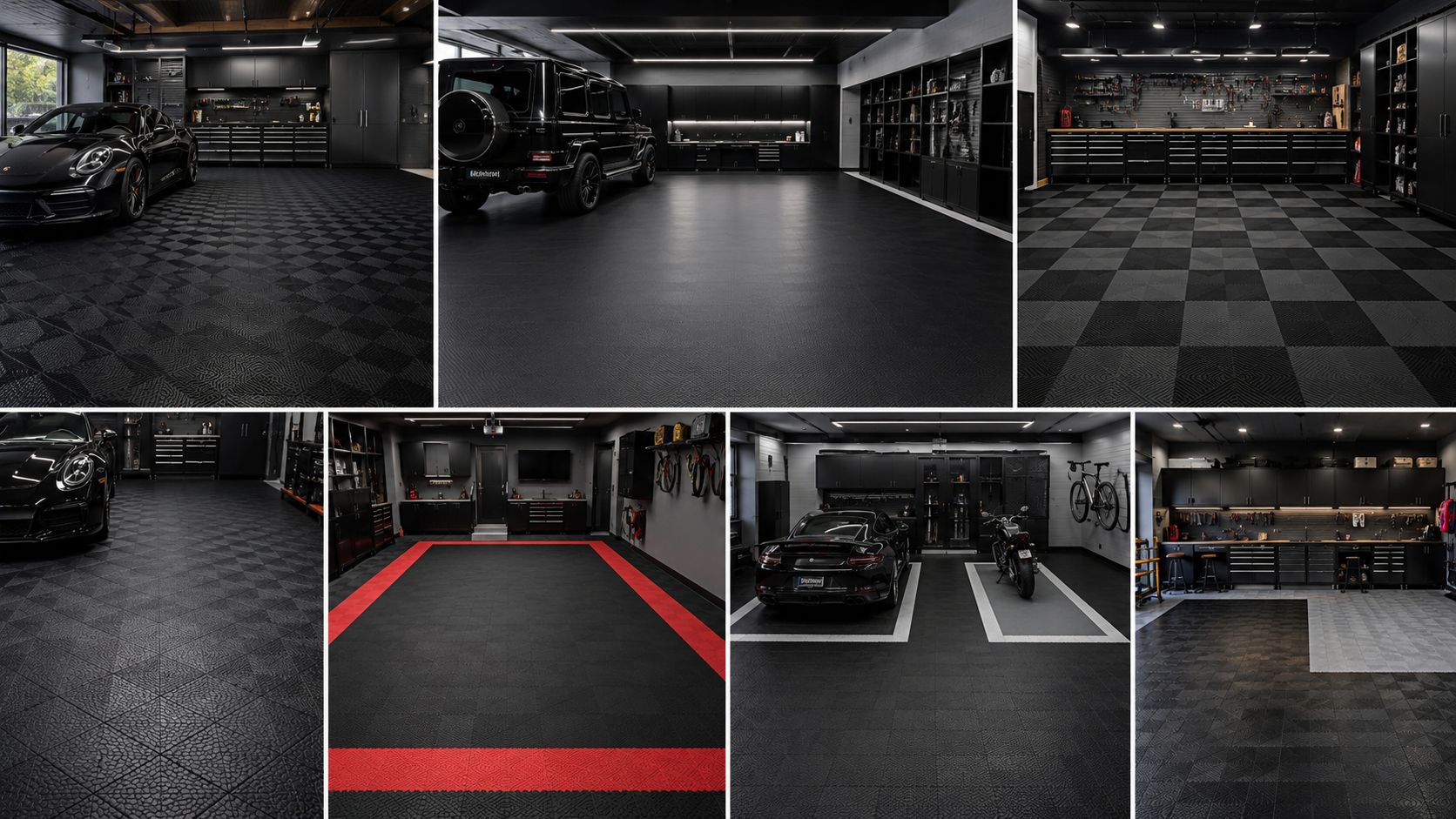
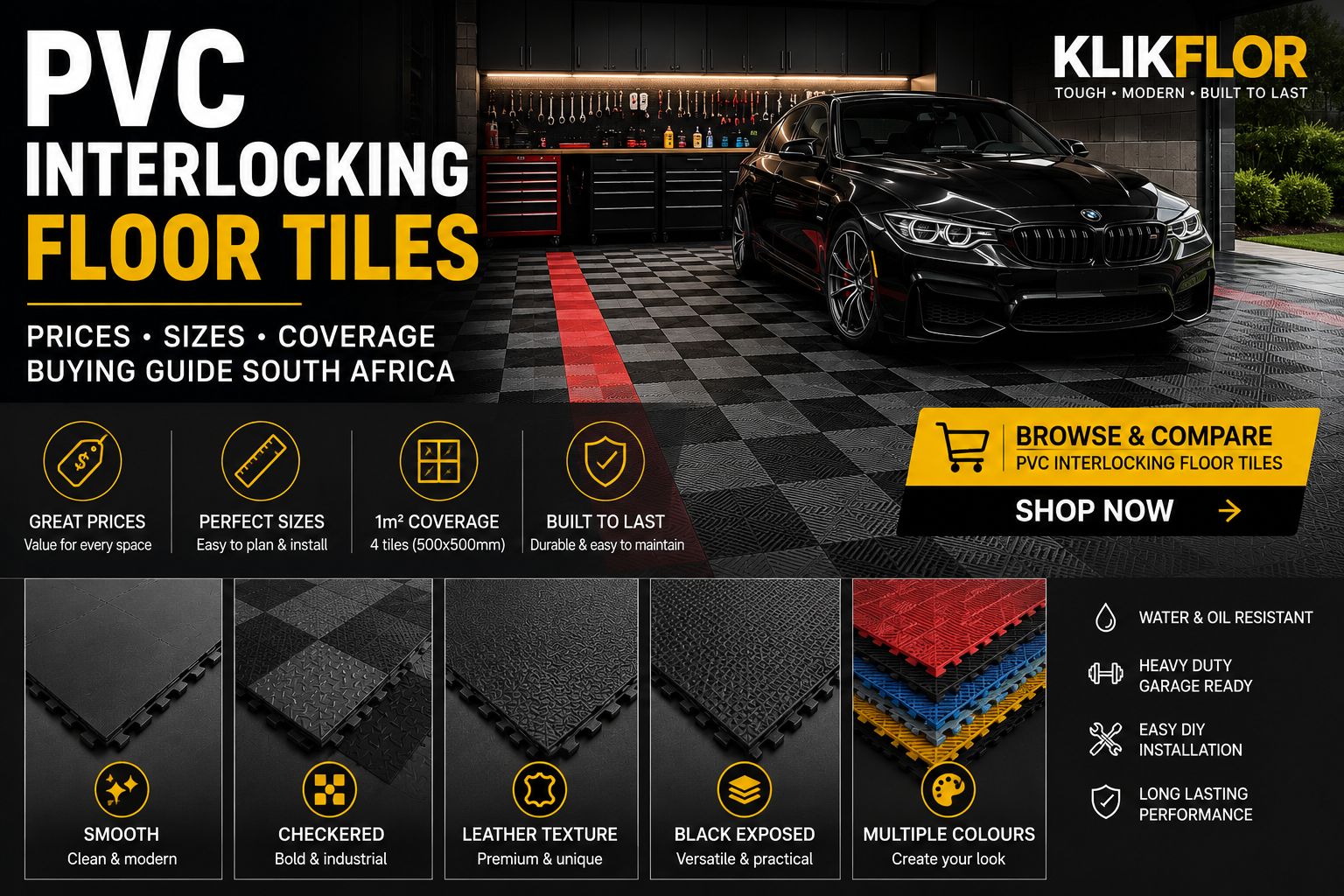
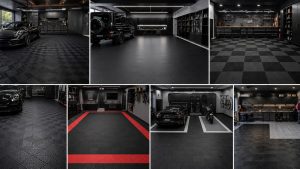
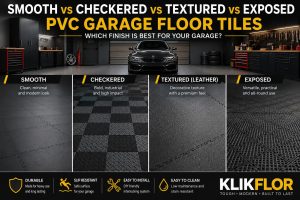
Available in multiple colors, textures, and finishes, PVC tiles can mimic wood, stone, or modern patterns to match any aesthetic.
Benefits of PVC Interlocking Floor Tiles
Easy Installation Without Adhesives
You don’t need glue or nails. Just align and press the tiles together—ideal for DIY enthusiasts.
Cost-Effective Flooring Solution
Compared to ceramic tiles or epoxy flooring, PVC interlocking tiles are budget-friendly while offering excellent durability.
Eco-Friendly and Recyclable
Many manufacturers use recyclable materials, making PVC tiles a sustainable option.
Comfort and Safety
Their slip-resistant surface and shock absorption properties reduce the risk of accidents while adding comfort underfoot.
Low Maintenance Requirements
Simple cleaning with water and mild detergent keeps the tiles looking new for years.
Common Uses of PVC Interlocking Floor Tiles
Residential Applications
Perfect for garages, basements, and kitchens where durability and water resistance are key.
Commercial Spaces
Retail stores, offices, and workshops benefit from their stylish appearance and long-lasting performance.
Industrial Flooring
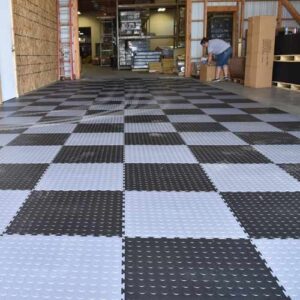
Factories and warehouses use them to handle heavy machinery and constant traffic.
Sports and Fitness Areas
Gyms, yoga studios, and home workout rooms prefer PVC tiles for their cushioning and slip resistance.
Step-by-Step Installation Guide
Tools and Materials Required
-
Measuring tape
-
Utility knife
-
Rubber mallet
-
Straight edge or ruler
Preparing the Subfloor
Ensure the surface is clean, dry, and level. Remove any debris before installation.
Laying the Tiles
Start from the center or a corner of the room. Interlock each tile using gentle pressure.
Cutting and Adjusting Edges
Trim tiles with a utility knife for a snug fit along walls and edges.
Finishing and Maintenance Tips
Add edging strips for a polished look and regularly clean to maintain quality.
Maintenance and Care Tips
Cleaning and Stain Removal
Wipe spills immediately and mop with mild detergent to prevent staining.
Long-Term Durability Practices
Avoid dragging sharp objects and use mats in high-dirt areas to extend lifespan.
Cost Considerations
Price per Square Foot
PVC interlocking tiles typically cost between $2 to $6 per square foot, depending on thickness and design.
Comparing with Other Flooring Options
They’re more affordable than ceramic or hardwood flooring while offering better flexibility and easy installation.
FAQs
Q1: Are PVC interlocking floor tiles safe for children and pets?
Yes, they are non-toxic, slip-resistant, and comfortable underfoot, making them safe for kids and pets.
Q2: Can I install PVC interlocking tiles over carpet?
It’s not recommended. For best results, install them over a flat, hard surface.
Q3: How long do PVC interlocking floor tiles last?
With proper care, they can last 10–20 years.
Q4: Do they expand or contract with temperature changes?
Minimal expansion may occur, but interlocking design accommodates slight shifts.
Q5: Can damaged tiles be replaced individually?
Yes, one of the key advantages is that you can replace a single tile without redoing the entire floor.
Q6: Are they suitable for outdoor use?
Some PVC tiles are UV-resistant and can be used outdoors, but always check manufacturer recommendations.
Conclusion
PVC interlocking floor tiles are a versatile, cost-effective, and durable flooring solution suitable for residential, commercial, and industrial applications. Easy to install, eco-friendly, and low maintenance, they provide both functionality and style. Whether you need a new garage floor, gym surface, or commercial upgrade, these tiles are an excellent investment.