


Why Garage Flooring Matters
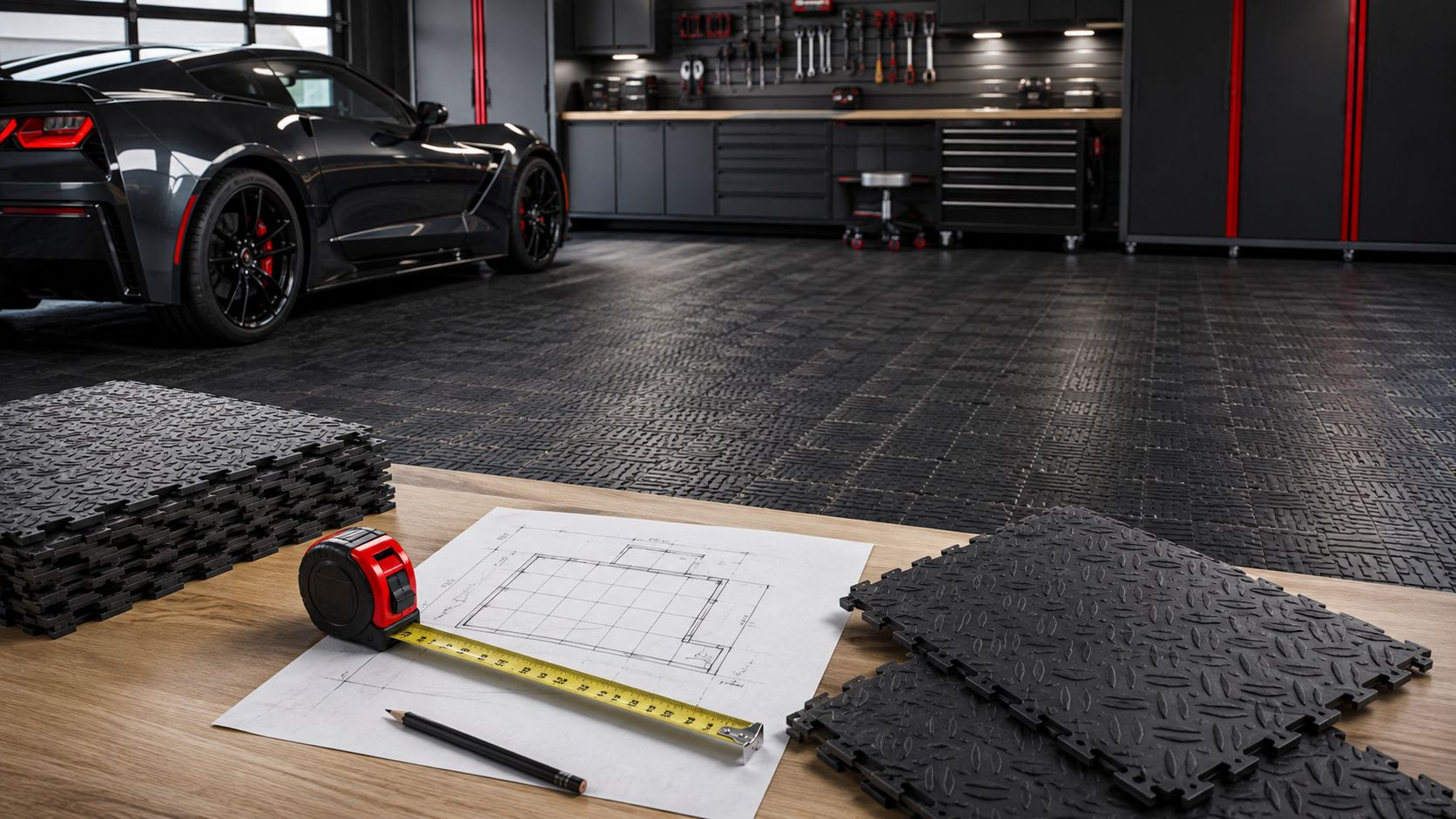
Let’s face it—your garage sees more action than just parking your car. Whether it’s your weekend DIY station, a mini home gym, or a high-traffic entryway, your garage floor takes a serious beating. That’s why choosing the right garage flooring is more than just an aesthetic choice—it’s a practical investment that pays off in durability, safety, and long-term savings.
Unlike interior floors, garage surfaces deal with oil spills, heavy machinery, moisture, dust, and more. Most standard concrete garage floors start cracking, chipping, or absorbing stains after a few years, making them not only unsightly but dangerous. The right garage flooring not only extends the life of your floor but also adds to the value of your home.
Think of garage flooring like armor for your garage. It’s the silent protector that handles wear and tear while keeping your workspace sleek and functional. Whether you’re trying to improve traction, avoid long-term repairs, or simply give your garage a facelift, the floor should be your starting point.
Common Issues with Poor Flooring Solutions
Bad flooring choices aren’t just about looks—they come with consequences. A concrete slab left untreated can become a slipping hazard when wet, or worse, start to erode from chemical exposure. Here are some typical problems people face:
-
Cracking and Peeling: Especially common in garages that experience high temperature swings.
-
Dust and Debris Accumulation: Bare concrete sheds dust, which can coat everything in your garage.
-
Chemical Staining: Oil leaks or chemical spills can permanently stain unprotected floors.
-
Water Damage: Poor drainage or flooding leads to mold growth and surface breakdown.
That’s why investing in durable garage flooring is not just about aesthetics—it’s about safety, longevity, and smarter maintenance.
Key Considerations Before Choosing Garage Flooring
Durability and Load Capacity
The very first thing you need to ask yourself is: what kind of abuse will your garage floor endure? If you’ve got heavy machinery, a large SUV, or you’re constantly rolling tool chests and jacks around, you’ll need something more than just a pretty tile.
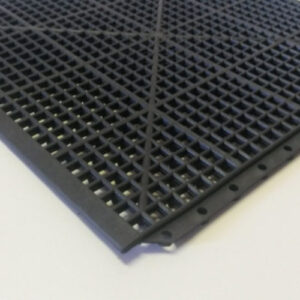
Durability isn’t just about strength—it’s also about long-term resistance to chemicals, temperature changes, and surface friction. For instance, PVC garage floor tiles like these interlocking tiles are engineered to withstand intense pressure and resist oils, solvents, and even UV damage.
Load capacity is especially important if you’re using car lifts or storing heavy equipment. A flimsy tile will crack under pressure. Look for garage tiles for sale that clearly state their load-bearing capacity.
Cost-Effectiveness and Budget Planning
Garage flooring can range from super cheap to ultra-premium. But affordable doesn’t have to mean low quality. There are several durable and budget-friendly flooring options that strike a perfect balance between performance and price.
Here’s how to break it down:
-
Low Budget: Paint or epoxy coatings (shorter lifespan)
-
Medium Budget: Interlocking PVC or rubber tiles
-
Higher Budget: Polished concrete or resin coatings
Long-term, it’s often smarter to invest in a higher-quality option upfront than constantly repair or replace a cheaper floor. Services like CapeLock Tiles’ free quotation can help you estimate costs before committing.
Aesthetics and Functionality Balance
Let’s be real: nobody wants an ugly garage floor. But at the same time, good looks mean nothing if your tiles start warping under pressure. The trick is to find that sweet spot where form meets function.
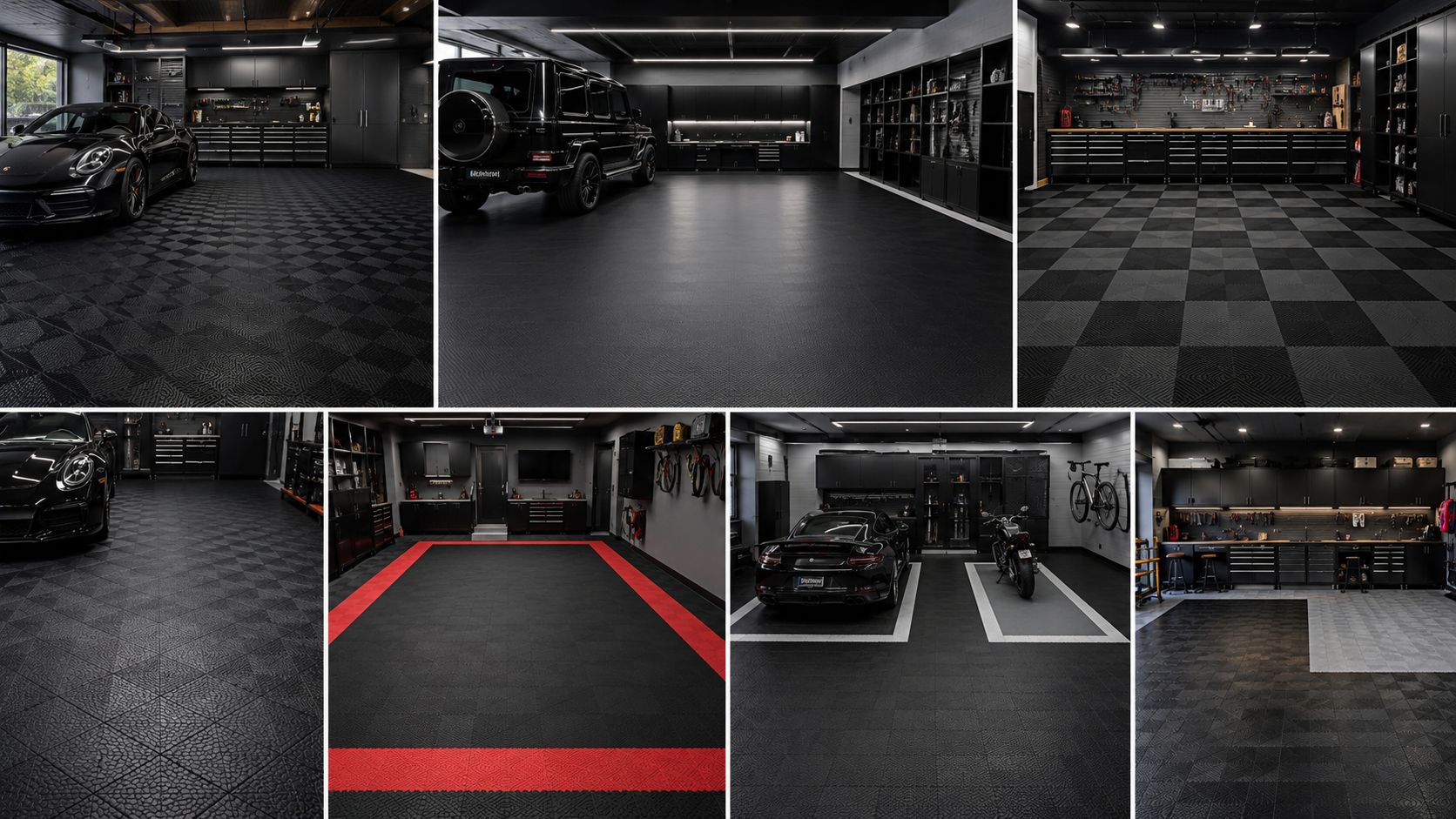
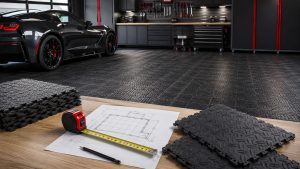
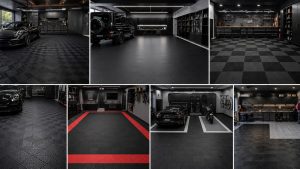
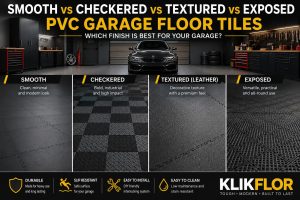
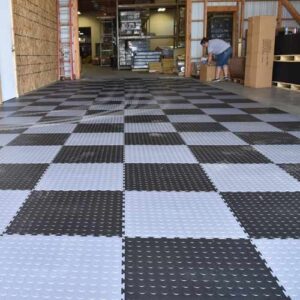
PVC and rubber tiles come in a variety of finishes, patterns, and colours—from sleek black and graphite grey to vibrant reds and even checkerboard layouts. You can match your flooring to your car, walls, or even the rest of your home.
And if you’re using your garage for something more than storage—like a home office, gym, or man cave—functionality becomes key. Some flooring types, such as interlocking flooring tiles, can be customised for specific uses without sacrificing visual appeal.
Interlocking Garage Floor Tiles
What Are Interlocking Tiles?
Interlocking tiles are exactly what they sound like—modular tiles that snap together like puzzle pieces. They’re one of the easiest and most flexible garage flooring options available today. Whether made from rubber, PVC, or polymer, these tiles are designed for fast installation and long-lasting performance.
These tiles are especially popular for DIY projects because they don’t require glue, nails, or special tools. If one tile gets damaged, just pop it out and replace it. They’re ideal for homeowners who want a no-fuss, customizable solution that doesn’t require hiring a contractor.
Most importantly, they create a seamless, anti-slip surface that can stand up to heavy vehicles, machinery, and foot traffic.
Benefits of Interlocking Garage Tiles
Why are interlocking tiles a fan favorite? Let’s dive into the perks:
-
Quick and Easy Installation: No need for curing or drying time.
-
Modular and Replaceable: Fix a section without replacing the entire floor.
-
Versatile Designs: From industrial to decorative finishes.
-
Superior Drainage: Certain tile types are designed to handle wet conditions.
-
Low Maintenance: Simply sweep and mop as needed.
Products like interlocking rubber tiles also offer noise reduction and added comfort, especially if you’re standing or kneeling for long periods in your garage workspace.
Where to Buy Quality Garage Tiles for Sale
Buying garage tiles isn’t just about selecting the right material—it’s also about choosing a trusted provider. CapeLock Tiles offers premium garage tiles for sale that cater to both residential and commercial needs. From durable PVC solutions to anti-slip rubber finishes, they’ve got options to match every requirement and budget.
Their installation service ensures professional setup, eliminating guesswork and delivering a flawless finish.
Rubber Flooring Rolls for Garage Use
Strength and Flexibility of Rubber Floors
Rubber flooring rolls have become a go-to choice for garages used as gyms, workshops, or high-impact zones. Why? Because rubber is strong, shock-absorbent, and incredibly flexible. It adapts to your space, protects your subfloor, and offers an unbeatable grip.
Unlike other flooring options that might crack under stress or corrode from chemical exposure, rubber flooring is naturally resilient. It absorbs sound, reduces vibration, and makes standing or kneeling more comfortable—a great feature if you’re doing car maintenance or working on projects.
Rubber flooring rolls are typically cut to size, allowing you to cover large areas quickly with minimal seams. And thanks to their dense construction, they’re less likely to shift or curl over time, even under heavy loads
Best Use Cases for Rubber Garage Flooring
Rubber flooring rolls are incredibly versatile, making them ideal for a wide range of garage applications. Whether you’re lifting weights, using power tools, or storing heavy machinery, rubber handles it all with ease. Its anti-fatigue properties make it perfect for spaces where you’ll be standing for long periods, like a DIY workbench or detailing station.
Here are a few excellent use cases:
-
Garage Gym: Its impact absorption protects both your joints and your equipment.
-
Workshop: Tools dropped on rubber won’t damage the floor or themselves.
-
Storage Area: Rubber doesn’t dent easily, even under shelving units or tires.
-
Child-Safe Play Zone: Some garages double as play spaces, and rubber offers a safer surface.
Another major benefit? Rubber is a great insulator. It helps reduce cold seeping through the floor, making your garage more comfortable year-round.
If you’re considering this option, the interlocking rubber tiles from CapeLock offer the same durability in a more modular design—easy to install and replace.
Benefits Over Traditional Concrete
Let’s break it down: concrete may be the go-to garage surface, but it’s far from ideal. Concrete chips, stains, and erodes. It’s cold, slippery when wet, and hard on your body. Compare that to rubber flooring, and the advantages become crystal clear.
Concrete vs Rubber:
| Feature | Concrete | Rubber Flooring |
|---|---|---|
| Stain Resistance | Low | High |
| Slip Resistance | Low | Excellent |
| Comfort | Very Low | High |
| Maintenance | High | Low |
| Installation | Labor-intensive | Easy (DIY possible) |
| Durability | Prone to cracking | Flexible & tough |
Rubber offers superior slip-resistance, which makes it ideal for wet or oily garages. Plus, it reduces vibration from machinery or vehicles—protecting your tools and reducing noise.
If you’re tired of dealing with cracked, dusty concrete, rubber flooring offers a cost-effective and durable upgrade that transforms your garage from drab to professional.
PVC Flooring: Modern and Resilient
What Makes PVC Tiles Popular for Garages
PVC garage tiles are quickly becoming the go-to flooring solution for homeowners who want something that’s not only durable but also stylish and easy to install. These tiles are made of high-impact polyvinyl chloride (PVC), which gives them unmatched strength and flexibility.
One of the biggest advantages of PVC is its chemical resistance. Oil spills, gasoline leaks, or even battery acid? No problem. PVC can take the hit and keep going. Plus, it doesn’t fade or warp in hot temperatures, making it ideal for any climate.
PVC tiles are also built to withstand intense load. Whether you’re parking a car or installing a car lift, you won’t see dents or stress marks. The modular design makes them super easy to replace if damage does occur.
CapeLock’s PVC garage floor tiles come in various patterns and colors, helping you turn your plain garage into a well-designed extension of your home.
Installation Benefits of PVC Flooring
PVC tiles don’t need adhesives, curing times, or drying. They click into place using interlocking edges, which means even someone with zero DIY experience can get them installed in a few hours.
-
No Surface Prep: They can be installed over cracked or stained concrete.
-
Easy Repairs: If a tile gets damaged, pop it out and replace it.
-
Portable: Moving houses? Just uninstall and take them with you.
-
No Tools Needed: You’ll only need a rubber mallet and maybe a utility knife.
And if you’d rather not install it yourself, CapeLock’s installation service ensures a quick, professional job with a clean finish that lasts for years.
PVC is especially good if your garage doubles as a gym or workspace. Its slight give underfoot makes it easier on your joints than concrete or even epoxy. Plus, it looks incredibly sleek once installed.
Longevity and Maintenance Tips
PVC flooring is built to last—but with the right care, it can last even longer. The good news is that maintenance is minimal. Here are some best practices:
-
Sweep Regularly: Prevent grit buildup that can scratch the surface.
-
Mop Occasionally: Use a mild detergent and warm water for a quick refresh.
-
Avoid Harsh Chemicals: Though resistant, it’s best to avoid bleach or solvents.
-
Protect from Sharp Objects: Don’t drag heavy metal items across the floor.
The tiles themselves are fade-resistant, even under UV exposure, and won’t curl or warp over time. With the proper upkeep, you can expect your PVC floor to maintain its sleek appearance and strong performance for over a decade.
Affordable Garage Flooring Ideas on a Budget
Cost Breakdown of Various Options
If you’re trying to upgrade your garage without emptying your wallet, don’t worry—there are plenty of garage flooring ideas on a budget that don’t compromise on quality. Let’s look at some common options and what you can expect to pay per square meter:
| Flooring Type | Avg. Price (ZAR/m²) | Lifespan | Installation |
|---|---|---|---|
| Epoxy Paint | R120 – R200 | 3-5 years | Difficult |
| Interlocking PVC Tiles | R250 – R350 | 10+ years | Easy |
| Rubber Rolls | R300 – R400 | 10+ years | Medium |
| Peel-and-Stick Vinyl | R150 – R250 | 2-3 years | Easy |
If your garage sees low to moderate use, budget-friendly solutions like peel-and-stick vinyl or epoxy paint may be enough. But if you need a long-term, heavy-duty solution, PVC or rubber garage tiles offer the best value over time.
And don’t forget—you can get a tailored estimate using CapeLock’s Quick Quote tool, which factors in your space size, preferred flooring type, and usage level.
Tips to Save Without Compromising Quality
Here are some smart strategies to stretch your budget:
-
Buy in Bulk: Many suppliers offer discounts for larger purchases.
-
Choose Interlocking Tiles: They’re reusable and easy to replace.
-
Combine Materials: Use premium tiles where needed and budget tiles elsewhere.
-
Install Yourself: Save on labor with DIY-friendly options.
Also, keep an eye out for sales on garage tiles for sale from suppliers like CapeLock. Investing a bit more upfront in quality can save you thousands in repairs or replacements down the line.
Want high performance without the premium price tag? Look into interlocking PVC tiles—a standout option among durable garage flooring solutions.
DIY vs Professional Installation
Pros and Cons of DIY Installation
There’s a certain satisfaction that comes with rolling up your sleeves and handling your own garage floor install. DIY options like interlocking tiles or rubber rolls are perfect for this—no adhesives, no curing times, no special tools.
Pros of DIY Installation:
-
Save on labor costs
-
Install at your own pace
-
Easy to fix or replace individual tiles later
-
Learn valuable home improvement skills
However, it’s not always a walk in the park. If your garage floor is uneven, has moisture issues, or requires advanced prepping, DIY can turn into a frustrating, time-consuming job.
Cons of DIY:
-
Mistakes can lead to poor drainage or uneven wear
-
Time-intensive if you’re not experienced
-
Limited to simpler tile types or roll-out flooring
-
Warranty issues if not properly installed
For complex jobs or if you’re not comfortable working with your hands, professional installation might be the smarter move.
When to Opt for Professional Services
When does hiring a pro make more sense?
-
Large Garages: If you’ve got a multi-car setup or commercial garage, professional installation ensures consistency and speed.
-
Advanced Floor Types: Epoxy, resin, or coatings require expertise to avoid bubbling, peeling, or cracking.
-
Subfloor Problems: Issues like cracks, moisture, or slope corrections are best handled by professionals.
CapeLock offers professional installation services for their entire flooring range. Their experts ensure a smooth, level, and long-lasting finish—no headaches, no guesswork.
Slip-Resistance and Safety Considerations
Garage Flooring for Wet or Oil-Prone Areas
Garages are hotspots for spills—oil, water, coolant, and more. Choosing a slip-resistant floor isn’t optional, it’s essential. Many tiles for garage floors are designed with textured surfaces or drainage channels that reduce the risk of slipping, even when wet.
PVC and rubber tiles are especially popular because they offer excellent traction. Textured finishes or coin-pattern surfaces help increase grip underfoot, whether you’re walking in with wet shoes or rolling in a greasy jack.
If safety is a top concern (and it should be), look for flooring labeled as anti-slip or high-traction. Many of the interlocking flooring options on the market today are designed with this exact feature in mind.
Safety Enhancements Through Design
You can go beyond just material. Color zoning (e.g., black borders for parking, yellow tiles for workspaces) can reduce accidents and visually organize your garage. Add rubber tiles under benches or tool zones for added safety and comfort.
Bonus tip: Use lighter colors in corners or entryways to improve visibility and brighten up the space.
Conclusion
Your garage floor is more than just a surface—it’s the foundation of how you use and enjoy your space. Whether you’re parking cars, building furniture, or working out, the right garage flooring can dramatically improve the look, safety, and usability of your garage.
From high-performance PVC tiles to budget-friendly rubber flooring rolls, the options today are more versatile, affordable, and easy to install than ever. And with tools like CapeLock’s free quotation, it’s easier than ever to find a solution that fits your space and budget.
So don’t let a cracked, dusty, or slippery garage floor hold you back. Upgrade with purpose. Choose durability, style, and safety—and turn your garage into a space you’re proud of.
FAQs
1. What is the most durable flooring for a garage?
PVC and rubber interlocking tiles are among the most durable, handling heavy loads, oil spills, and constant foot traffic without cracking or staining.
2. Are interlocking tiles better than epoxy for garage floors?
Yes, especially for DIYers. Interlocking tiles are easier to install, replace, and maintain. Epoxy, while durable, requires professional installation and can crack over time.
3. How do I maintain PVC garage flooring?
Sweep regularly, mop occasionally with mild detergent, and avoid dragging sharp objects. PVC tiles are low-maintenance and built to last.
4. Can I install rubber garage tiles myself?
Absolutely. Rubber tiles often come in interlocking formats and don’t require adhesives. They’re DIY-friendly and forgiving of subfloor imperfections.
5. Where can I get a quote for garage flooring?
You can get a customized, no-obligation quote using CapeLock Tiles’ Quick Quote Tool.
.