


Introduction to Modern Flooring Solutions
When it comes to upgrading your floors, two popular choices often come up: lock flooring and interlocking tiles. Both options promise durability, convenience, and style, but the question remains — which one works best for your needs?
Choosing the right flooring solution depends on factors like installation ease, durability, cost, and maintenance. In this article, we’ll explore both lock flooring and interlocking tiles in detail so you can make the best decision.
What is Lock Flooring?
Definition and Features
Lock flooring, also known as click-lock flooring, features planks that snap together without the need for glue or nails. The locking mechanism creates a floating floor system that sits above the subfloor.
Common Materials Used
-
Laminate
-
Vinyl
-
Engineered hardwood
Pros of Lock Flooring
-
Easy installation without professional help
-
Provides a seamless, high-end look
-
Works well with underlayment for extra comfort
-
Durable and resistant to daily wear
Cons of Lock Flooring
-
Not ideal for uneven subfloors
-
Some varieties are less water-resistant
-
Can be difficult to repair if damaged
What are Interlocking Tiles?
Definition and Features
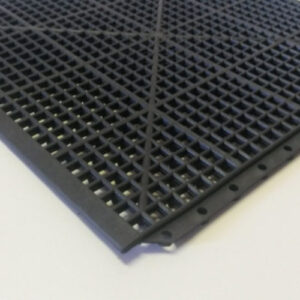
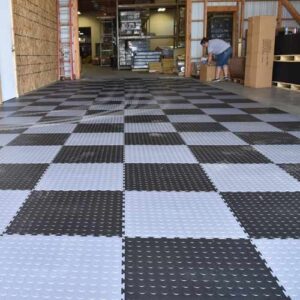
Interlocking tiles are modular pieces that fit together like puzzle pieces. Unlike planks, these tiles are highly versatile and can be installed without adhesive.
Common Materials Used
-
Rubber
-
PVC
-
Foam
-
Carpet tiles
Pros of Interlocking Tiles
-
Extremely easy to install and replace
-
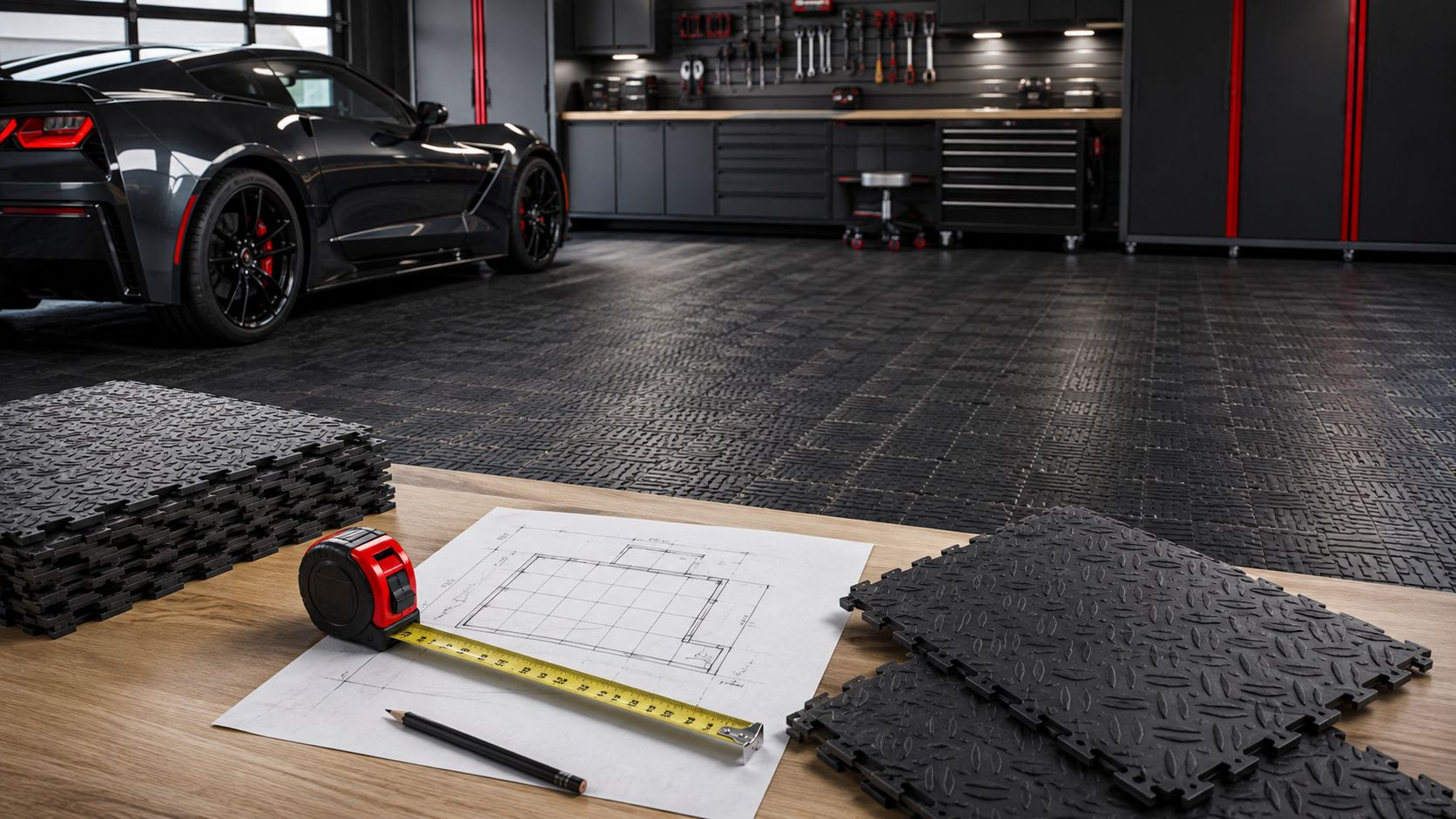
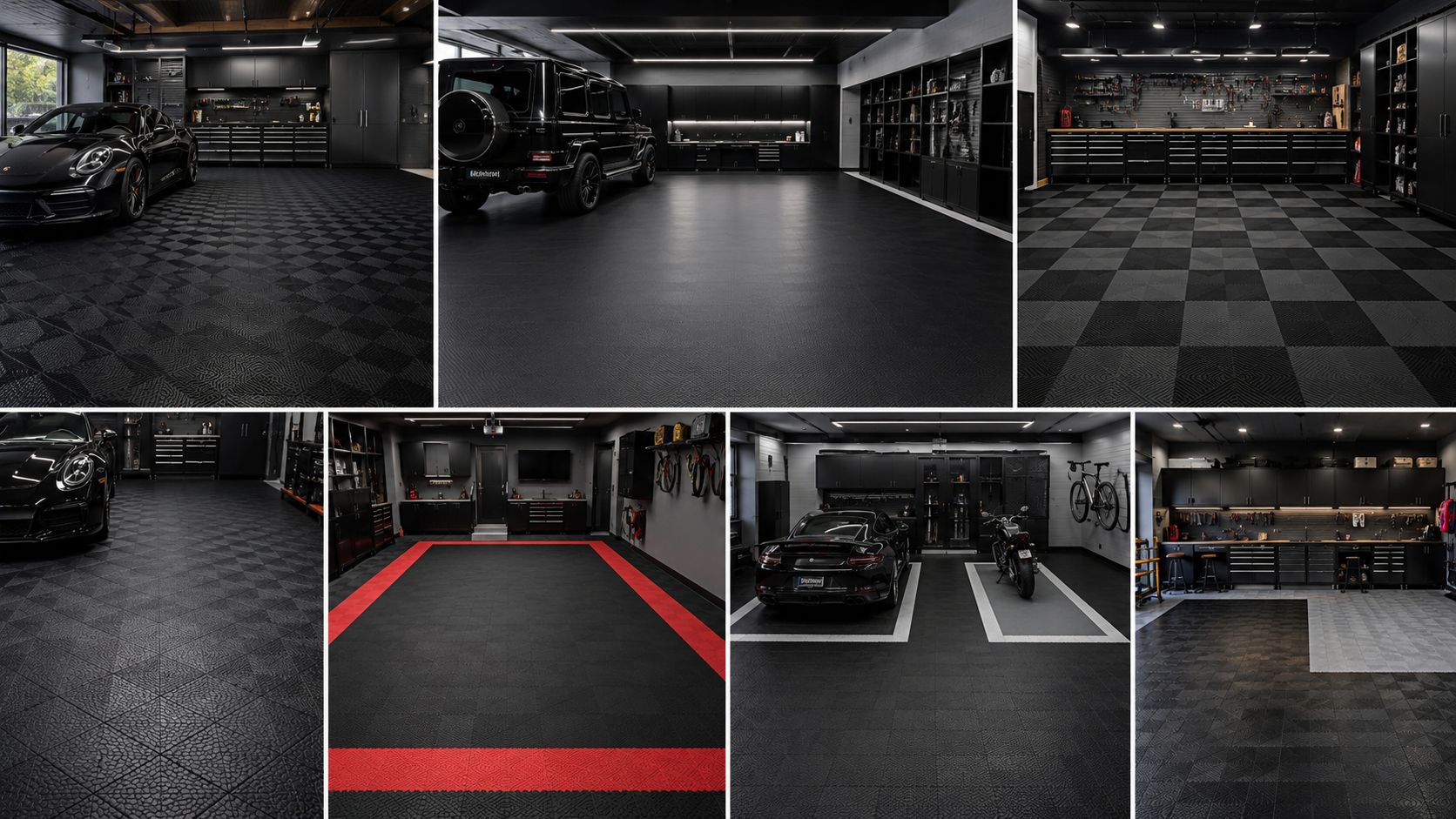
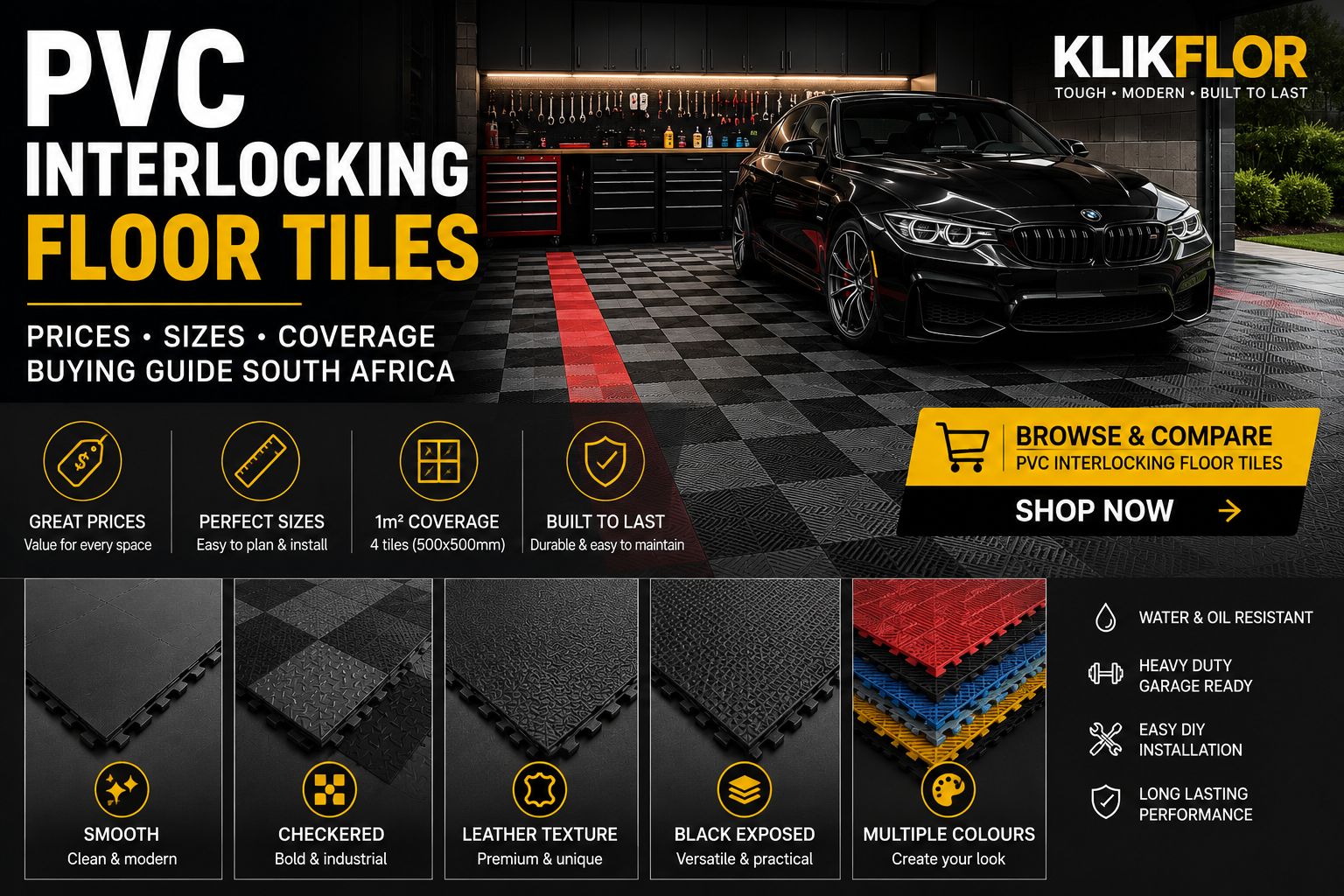
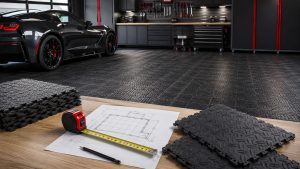
Great for gyms, garages, and outdoor spaces
-
Slip-resistant and durable
-
Affordable and versatile
Cons of Interlocking Tiles
-
Not always the most stylish option
-
Can shift under heavy furniture
-
May show seams over time
Lock Flooring vs. Interlocking Tiles: Key Differences
Installation Process
-
Lock Flooring: Requires precise cutting and placement. Best for permanent installations.
-
Interlocking Tiles: Tool-free, quick setup. Best for temporary or flexible use.
Durability and Strength
-
Lock flooring is better for living rooms and high-traffic residential spaces.
-
Interlocking tiles shine in gyms, garages, and industrial settings.
Aesthetic Appeal
-
Lock flooring provides a seamless, elegant look.
-
Interlocking tiles offer practical designs but limited visual appeal.
Maintenance and Cleaning
-
Both are easy to clean, but lock flooring requires more care with water spills.
-
Interlocking tiles can be replaced one piece at a time.
Cost Comparison
-
Lock flooring tends to be pricier, especially hardwood options.
-
Interlocking tiles are budget-friendly and cost-effective for large areas.
Which Option Works Best for Different Spaces?
-
Residential Spaces: Lock flooring is ideal for bedrooms, living rooms, and kitchens.
-
Commercial Spaces: Interlocking tiles provide flexibility and easy maintenance.
-
Outdoor Use: Interlocking tiles, especially rubber or PVC, work better for patios and decks.
Environmental Impact of Each Flooring Type
-
Lock flooring, especially engineered hardwood, can have a higher environmental footprint.
-
Interlocking tiles made from recycled rubber or PVC are eco-friendly and sustainable.
Expert Recommendations
-
Choose lock flooring if you want a permanent, stylish solution for your home.
-
Go for interlocking tiles if you need a flexible, affordable, and practical flooring option.
FAQs
Q1: Which is easier to install: lock flooring or interlocking tiles?
A: Interlocking tiles are easier, requiring no tools, while lock flooring needs careful alignment.
Q2: Can interlocking tiles be used in kitchens?
A: Yes, but lock flooring is more stylish for indoor kitchen spaces.
Q3: Is lock flooring waterproof?
A: Some vinyl options are waterproof, but laminate and hardwood varieties are not fully water-resistant.
Q4: Which option is more budget-friendly?
A: Interlocking tiles are generally more affordable than lock flooring.
Q5: Can lock flooring be replaced easily?
A: It can be tricky to replace damaged planks, unlike interlocking tiles.
Q6: Do interlocking tiles work for outdoor patios?
A: Yes, rubber and PVC interlocking tiles are great for outdoor spaces.
Conclusion
When choosing between lock flooring vs. interlocking tiles, the decision depends on your space, budget, and style preferences. If you’re looking for a permanent, stylish upgrade, lock flooring is your best bet. But if you want flexibility, affordability, and easy installation, interlocking tiles take the crown.