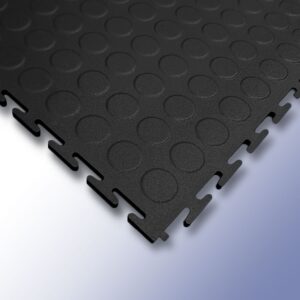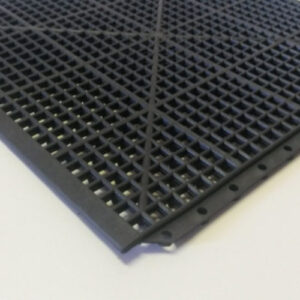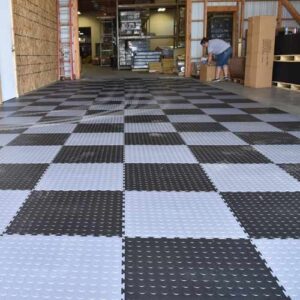


When it comes to modern flooring, interlocking tiles have emerged as one of the most practical and stylish solutions. These tiles are designed with edges that fit together like puzzle pieces, creating a seamless, secure surface without the need for adhesives. Homeowners and business owners alike are discovering how versatile and affordable they can be.
Benefits of Using Interlocking Tiles
Easy Installation
One of the best features of interlocking tiles is that you don’t need professional help. Most tiles simply snap together, making them a true DIY project.
Durability and Longevity
Made from strong materials such as PVC, rubber, or foam, interlocking tiles withstand heavy foot traffic, spills, and daily wear and tear.
Stylish and Versatile Designs
Available in wood-look, stone patterns, and bold colors, interlocking tiles can match any décor—modern, industrial, or traditional.
10 Surprising Places You Can Use Interlocking Tiles
1. Garage Floors
Transform a dull garage into a clean, professional-looking space with durable tiles resistant to oil and stains.
2. Home Gyms and Fitness Areas
Rubber interlocking tiles provide cushioning, reduce impact, and protect flooring from heavy weights.
3. Basements and Utility Rooms
Moisture-resistant tiles are perfect for basements, preventing mold growth and making cleanup easy.
4. Outdoor Patios and Decks
Weatherproof tiles add comfort and slip-resistance, ideal for outdoor gatherings.
5. Kids’ Playrooms
Foam interlocking tiles create a safe, colorful, and cushioned play space for children.
6. Kitchen and Laundry Areas
Tiles add anti-fatigue support and protect against spills in high-use spaces.
7. Balconies and Rooftops
Easy-to-install outdoor tiles make balconies stylish and functional.
8. Office Spaces
Interlocking carpet tiles or vinyl options provide a professional look that’s easy to maintain.
9. Event Venues and Pop-up Shops
Quick installation makes them ideal for temporary flooring needs.
10. Retail Showrooms
Stylish designs can highlight products while withstanding heavy foot traffic.
How to Choose the Right Interlocking Tiles
Material Selection
Choose foam for playrooms, rubber for gyms, and vinyl for commercial spaces.
Color and Design Options
Select patterns that enhance your room’s look while hiding dirt and scuff marks.
Maintenance Tips
Simply mop or wipe clean; most interlocking tiles resist stains and moisture.
FAQs About Interlocking Tiles
Q1: Can interlocking tiles be used outdoors?
Yes, weather-resistant options are designed for patios, balconies, and decks.
Q2: Are they safe for children?
Foam interlocking tiles provide soft cushioning, making them perfect for playrooms.
Q3: How long do they last?
With proper care, quality interlocking tiles can last 10+ years.
Q4: Do they need adhesives?
No, they lock together without glue or nails.
Q5: Can I install them over carpet?
It’s not recommended; a flat, solid surface works best.
Q6: Are they waterproof?
Many tiles are water-resistant, especially rubber and vinyl types.
Conclusion
Interlocking tiles are more than just practical flooring—they’re a versatile design solution for homes and workplaces alike. From garages to offices, they combine functionality with style, making them an investment worth considering.